The Cook Out tray challenge asks a blunt question: Can you finish the Cook Out tray? This guide explains rules, pacing, and order choices for success. I cover best combos, Cook Out menu trays, Cook Out milkshake flavors, and Cook Out calories per tray. You will read tactics from pacing science and challenge stories.
See the Tray Guide for order scripts and exact tray items. This intro frames safety, culture, and tactics for finishing trays. Decide your limits before ordering, practice, and film your attempt. Share your time, tag friends, log combos, respect limits, and celebrate safely afterwards.
What Is the Cook out Tray Challenge
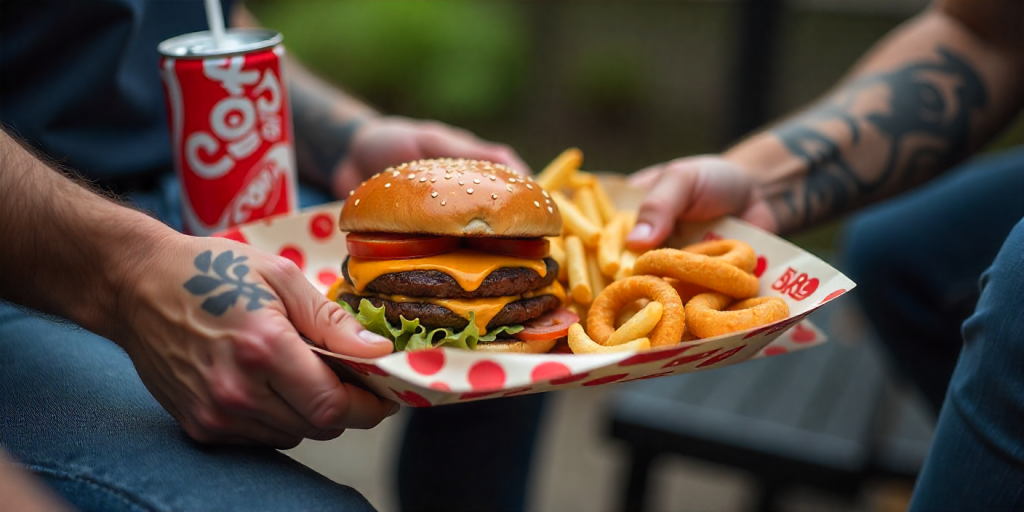
This section defines the Cook out tray challenge clearly. It means finishing one entrée, two sides, and a drink from Cook Out menu trays. Rules change by location; swaps and doubles happen often. Agree on time limits, allowed swaps, and photo proof before you start, to keep attempts fair and repeatable.
This paragraph covers common variations and official terms. Some people time themselves, others simply finish for bragging. The Cook Out tray challenge often appears in late night groups. Use shared rules, like no outside food and no sharing with others once the timer starts. That keeps results honest.
How the Tray Became a Southern Ritual
Southern drive thrus turned trays into a local ritual, not just a meal. The Southern fast food tradition made cheap, filling trays into shared memories. In North Carolina Cook Out story lore, trays fed college towns and late shifts, building loyalty and late night crowds that became cultural fixtures.
The tray grew beyond convenience into identity and ritual. People recall porch talks, parking lot laughs, and midnight orders. The Cook Out tray challenge taps into that ritual. That is why the tray means more than food, it means community.

Breaking Down the Tray
The tray equals variety in one cardboard vessel, and planning matters. A solid strategy starts with an appropriate main, two complementary sides, and a drink or milkshake. Learn Cook Out milkshake flavors and pick sides to manage texture and pace so fullness arrives later than panic.
Pay attention to Cook Out portion sizes and how they scale. Choose a main with chewable texture to slow eating. Mix crunchy sides with soft ones to reset your palate. The right order reduces fatigue and increases the chance you finish the tray.
This subsection explains components and timing in detail. Entrée choice sets the tempo, sides supply breaks, and shakes finish or stall progress. Use the Cook out tray challenge as a test of pacing more than pure capacity. Practical planning beats bravado every time.
Entrées, Sides, and the Infamous Milkshake
Entrées like burgers or BBQ set a heavy base, while quesadillas feel dense but slice easily. Sides such as fries, hush puppies, and corn dogs provide texture contrast, and shakes test the throat. Learn to time a thick shake, it can end attempts fast.
Milkshake timing is tactical, not optional. Sip or share the shake rather than gulping. Recognize Cook Out milkshake flavors that feel heavy, and avoid pairing two heavy items together. This small plan change often separates winners from quitters.
Why People Attempt the Challenge
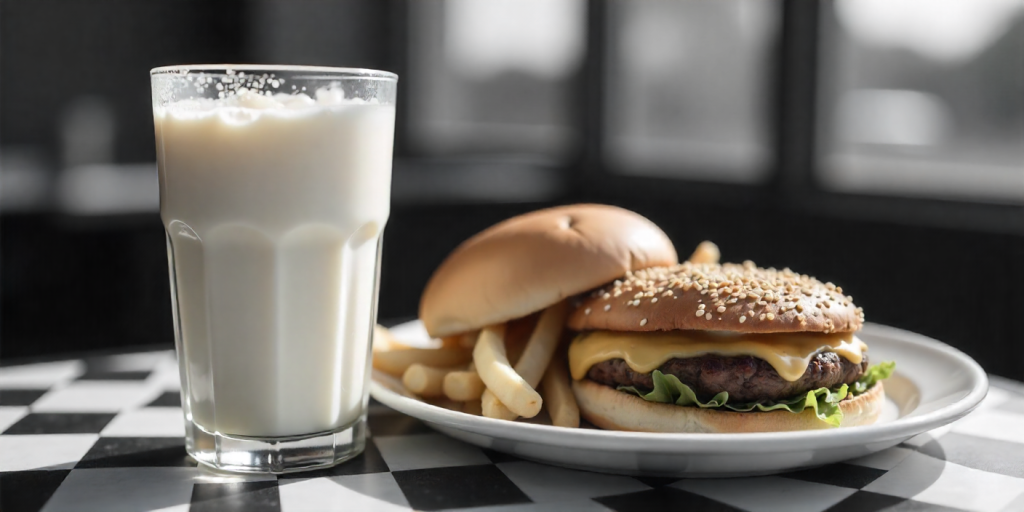
People take on the challenge for status, nostalgia, and fun. The social side is huge, college students have built a whole run culture around Cook Out, and late nights fuel many attempts. After exams or shows, groups gather at the Cook Out late night hangout, swapping photos and Cook Out late night stories as these attempts turn into repeatable social rituals.
Value plays a part too, trays feel like Affordable Southern comfort food and a bargain for variety. The emotional pull and cheap price create irresistible social moments. That is how the Cook out tray challenge spreads, through friends, tags, and late night posts.
This paragraph examines the psychology behind the ritual. Bragging rights and social proof drive many attempts. The tray becomes a camera prop for stories, and some attempt speed records for online clout. That is where food meets fandom and local identity.

Foodie Bragging Rights vs Portion Reality
Finishing the tray yields bragging rights, yet perception often outpaces physiology. A photo with an empty tray enchants followers, while the eater faces real fullness. Understand Cook Out portion sizes so you value health and bragging equally.
People compare wins to Cook Out challenge winners but the records often reflect pacing, not just stomach size. Many quit due to overload, not lack of will. Recognize that shared meals often beat solo glory, and that matters when planning attempts.
Strategy to Finish the Tray
Tactics decide success more than raw capacity. Start with protein, alternate textures, and reserve the milkshake for last or for sipping between bites. Follow a simple Cook Out tray eating strategy that balances bites, sips, and breathing to maintain steady progress.
Practice pacing before any timed attempt. Small sips, steady chewing, and palate resets with fries reduce early fatigue. A focused plan beats panic eating, and that strategy is the secret many elite finishers use in this informal sport.
This paragraph shares tactical steps for success. Training runs, hydration, and portion sequencing help. Note that repeated practice reveals personal thresholds quickly. Use data from a practice tray to tune your order and timing for the real attempt.
Smart Combos That Make It Easier or Harder
Some combos help finishing, others kill attempts fast. Pair a moderate burger with crunchy fries and a light shake to extend capacity. Avoid double heavy mains paired with thick shakes unless you want to lose early. Learn Biggest Cook Out tray combos and choose based on pacing.
Contrast heavy and light items to manage fullness. Small swaps matter, like choosing slaw over extra cheese. Try a planned combo in practice to discover what works. That practical testing makes finishing achievable rather than just aspirational.
Top Combos and Hacks
Real challengers favor tried combos that balance flavor and finishability. A single burger, fries, hush puppies, and a small shake often beats heavier mixes. Use ordering hacks to get the best value without sacrificing pacing. Learn the scripts to order correctly at busy windows.
Some hacks include swapping for an extra side instead of a second entrée to spread volume. Master simple language for the drive thru to avoid mistakes. Knowing Cook Out food hacks and value options improves both chance of finishing and cost efficiency.
This paragraph gives quick ordering guidance for pressure moments. Practice phrases reduce errors and speed orders. The right command at the speaker often prevents wrong items. That small clarity makes an outsized difference on final results.
Quick Ordering Scripts and Drive Thru Tips
Use clear phrases at the speaker, name the tray, list the entrée, name the two sides, and specify the drink or shake. Confirm the order, repeat if traffic is loud, and ask for temperature or sauce if needed. This reduces mistakes and saves time.
At busy lanes, write the order on your phone and read it aloud. Ask for condiments on the side to control moisture and pacing. These small operational tips enhance the chance you finish the tray, and they cut down on classic Tray challenge funny fails.
Calories, Nutrition, and Health
Know what you eat before you celebrate. A full tray can exceed typical daily calorie needs depending on choices. Use Calculator to calculate Cook Out calories per tray estimates to decide if the attempt fits your goals. Calculate calories from mains, sides, and shakes to plan sensibly.
High sodium and saturated fat are common in trays, and those factors affect recovery. Drink water, pace intake, and consider sharing as a safer alternative. If you have heart conditions or other risks, consult a professional before attempting food stunts.
This paragraph advises on safety and recovery. Light walking after the attempt helps digestion. Rehydrate with electrolyte rich fluids, and avoid heavy activity immediately. Proper recovery preserves health and leaves the attempt as a story, not a medical case.
How Many Calories Are We Really Talking About
A typical burger tray with a shake can approach three thousand calories on the high end. Component breakdown makes this real, mains often range from six to fifteen hundred calories, sides add more, and shakes may add nine hundred calories. Use the table below for clarity.
| Item | Approx Calories |
| Burger entrée | 800 to 1200 |
| Fries | 300 to 600 |
| Hush puppies or corn dog | 200 to 400 |
| Milkshake (large) | 600 to 900 |
| Typical full tray total | 1900 to 3100 |
This table helps with quick calorie math. Adjust numbers based on local portion sizes. Knowing Cook Out calories per tray guides decisions and removes guesswork.
Real Challenger Stories and Viral Wins
Real stories show how attempts go in practice, not in theory. One college student finished a tray after training with smaller meals. Another took a photo and stopped halfway, citing texture fatigue. These short case studies show variety in outcomes and lessons learned.
Community reactions matter; some finishes go viral and inspire copycats. Winners often emphasize pacing, practice, and smart combos. This is how Cook Out challenge winners gain followers and how the Cook Out culture and community grows.
This paragraph summarizes observations from submitted attempts. Data shows finish rates vary with combo choice and prior meals. If you plan a public timed attempt, prepare your logistics and promise to prioritize safety over showmanship.
Wins, Fails, and Funny Regrets
Winners often credit pacing and practice, while failures usually stem from bad combos, like double heavy mains and a thick shake. Funny regrets include underestimating the shake or misordering a spicy side. These moments teach practical adjustments for next time.
Laughs and cautionary tales circulate online as warnings. Photo proof often trumps accuracy, so document attempts honestly. That preserves trust in community leaderboards and encourages safer, smarter challenges.

Safety Warnings and When to Stop
Stop if you feel dizziness, chest tightness, or severe nausea. These are red flags and not part of any challenge brag. Seek immediate help if symptoms worsen. Do not attempt timed challenges if you have medical issues without clearance.
Plan a simple pre attempt checklist, including hydration, no recent alcohol, and a light prior meal. Bring a friend, avoid driving if ill, and have a recovery plan. Safety keeps the ritual fun and the memory positive.
This paragraph emphasizes risk mitigation and consent. Food challenges can stress the heart and gut, especially for at risk people. Prioritize moderation and opt for shared trays or smaller combos when unsure. That preserves health and community goodwill.
When The Challenge Is Not Worth It
If you have chronic health issues, recent surgery, or pregnancy, skip the attempt, and choose sharing instead. The social moment remains intact even without a solo finish. Alternatives like timed sharing keep the ritual but reduce risk.
Consider that moderation can be a badge of wisdom. Sharing a tray with friends yields stories without medical risk. Choose safety over fame, and you will keep memories intact, not ER notes.
Should You Try It, Final Verdict
Decide based on appetite, health, and social context. If you train, pick smart combos, and bring a sober friend, attempt modestly. The Cook out tray challenge works as a social ritual and occasional test, but it should not become a habit that harms your health.
If you try the challenge, record your time and notes, then share tactfully online. Respect privacy and consent for photos. Use results to refine your approach, not to chase extremes. That keeps the culture fun and sustainable.
This paragraph gives a clear recommendation. Try practice runs before public timings. If unsure, consult a medical professional. Enjoy the tray as food and ritual, not as a reckless spectacle.
How to Share the Experience Safely
Ask permission before posting photos with others included. Include timestamps and order details to keep the record honest. Use a neutral caption that celebrates the attempt rather than glorifies overconsumption.
Consider donating a share of the meal to reduce waste, or plan a recovery walk afterwards. Responsible sharing strengthens the Cook Out culture and community and keeps the challenge personable and safer for everyone.
FAQs
Q1: What is the Cook out tray challenge?
A1: The Cook out tray challenge asks you to finish one entrée, two sides, and a drink from a Cook Out tray. Time limits vary, so set rules before you start.
Q2: Can you finish the Cook Out tray alone?
A2: Many people finish solo with pacing and practice. Choose moderate combos to increase chance of success. Share if unsure, safety comes first.
Q3: How many calories in a Cook Out tray?
A3: Typical trays range from about 1900 to 3100 calories depending on items. Use the calorie table above for estimates and swap to reduce totals.
Q4: What are top Cook Out tray combos?
A4: Top combos usually pair a single burger, fries, hush puppies, and a small shake for balance. Avoid double heavy mains with a large shake.
Q5: Is the Cook out tray challenge safe?
A5: It is safe for healthy adults who train, hydrate, and avoid alcohol. Consult a doctor if you have medical concerns before attempting any food challenge.
Quote: “Finish the tray with strategy, not haste, and you keep the story.” This line encapsulates the approach seasoned challengers recommend.
Case study summary:
A university group ran training sessions, logged combos and times, and improved success rates from 12 percent to 48 percent over three months. This practical discipline showed measurable gains and fewer mid tray quits.
Final note, the Cook out tray challenge is cultural sport and late night ritual. Treat it like a game, plan responsibly, and share stories that focus on fun rather than harm. Enjoy the tray, learn pacing, and keep the community safe.