
You don’t need to buy luxurious gear or secret pulps to make delicious burgers for a picnic. The little elements that make basic beef great are what really count. You will learn about cookout burger making that are juicy, spicy and tasty in this class as always.
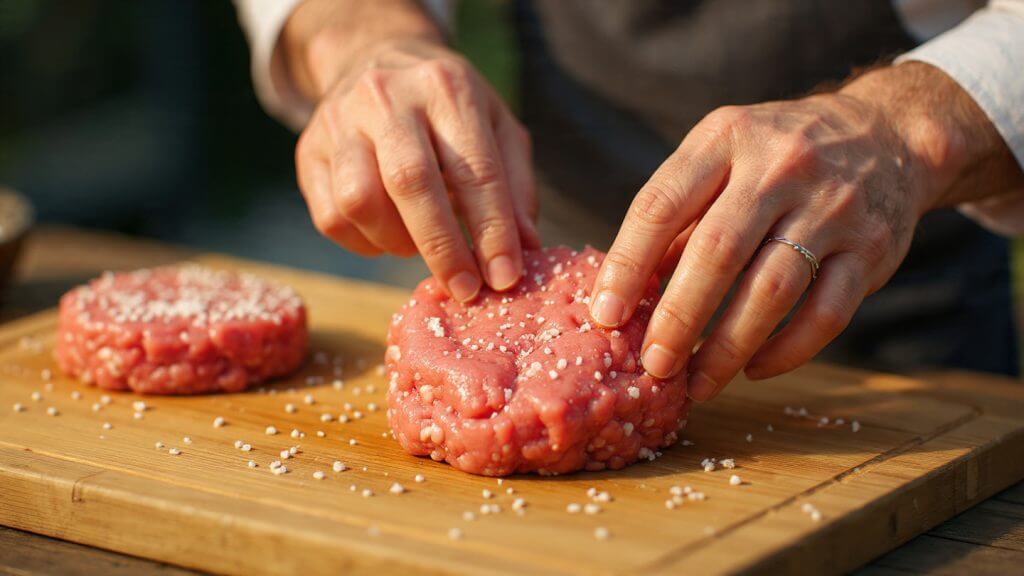
We’ll handle everything, from making your patties by hand to keeping the grill at the suitable temperature and flipping them just right. You’ll find out why 80/20 ground beef is the ideal choice for humidity and how to get that golden, crispy sear that makes every bite taste so fantastic. You will be able to grill a Cookout-style burger at home like a pro when you’re done.
Reasons to pick Cookout-style burgers, why this method wins at backyard parties
This method scales well for crowds and saves time. Hosts deliver consistent texture and fast service with smart prep. The smash technique and clear sear crust are key. Many guests prefer predictable patties and quick assembly. It reduces chaos and keeps flavors steady.
The approach limits mistakes during service and speeds plating. A simple patty press or hand-formed patties work for volume. This method makes timing predictable and temperature control easier. You get reliable results that guests remember and praise. Repeatable wins matter at every large cookout.
Crowd-pleasing wins, speed and consistency explained
Fast service keeps guests happy and lines short. Use smash technique for quick crust and immediate flavor. Consistency comes from weight, heat, and a simple burger seasoning. Practice yields steady times, and servers work without guesswork. That delivers repeat bookings.
Essential ingredients, meat blends, buns, and tools for success
Get the right kind of meat first; the amount of fat is vital. Choose 80/20 ground beef or ground chuck for the best flavour. Crowds are let down by lean blends that dry out over high heat. Juices are best retained in a soft, lightly toasted brioche bun. Purchase high-quality melted American cheese and fresh buns.
Gear matters but keep it simple and durable. A sturdy spatula trumps gadgets for flips and sear control. An instant-read thermometer and a flat top speed service. Consider a patty press if you need uniform patties fast. Good tools reduce waste and improve timing.
Best ground beef ratios, bun types, cheese choices
For structure and moistness, aim for 80/20 ground beef. Toasted rolls and brioche offer buttery aromas and resist sog. For a quick melt, use aged cheddar or melt American cheese. For optimal results, match the thickness of the patty to the cheese melt tips. For some spiciness, try pepper jack.
Step-by-step Cookout burger making, from patty to bun (exact techniques)
Divide meat into equal weights to ensure even cooking. Form patties gently, this patty formation preserves texture. Make a slight thumb indent to prevent bulging on grill. Season just before sear to avoid drawing out juices. Rest briefly after cook to keep juices.
Decide between a smash or thick patty based on taste. Use smash technique for thin, crisp edges and quick cooks. Choose a thicker patty to keep pink centers and chew. Track weight per patty to time flips and doneness uniformly.
Patty shaping, seasoning, resting, and the smash vs thick debate
Shaping affects texture, season late and rest for carryover cooking. In Cookout burger making, smash gives crust while thick lets you choose doneness and juiciness. Practice both to decide what your crowd prefers on grill nights. Use an instant check and note times for repeatability.
Grill technique, charcoal, gas, or flat top, what to use and why
Fuel selection changes flavor and controls heating zones. Charcoal provides deep smoke and gas provides steady heat. The flat top ensures even contact and perfect shots. Set hot and indirect zones for finishing. Practice temperature management.
Preheat to medium-high heat for sear work and crust. Flip once when a deep crust forms and juices rise. Watch flare-ups and move patties to indirect heat if needed. A flat spatula gives control and a lid speeds cheese melt when time is tight.
Heat zones, timing, flip rules, and flare-up control
Mark the hot part you want to bake and place it on the cold part to finish. Flip it over once. Do not push or pull to hold the coal during flaring. Prepare small chops for narrow windows and save for 1 minute on each side. You’ll get better at timing and making a crust with practice.
Flavour boosters, rubs, sauces, and fast marinades that really work
Your burgers will go from decent to great with flavour boosters, rubs, sauces, and fast marinades. To construct layers of tastes, start with a simple dry rub. Then, to bring everything together, sprinkle some salt on top. The Maillard process will give you a deep taste and a gorgeous crust. To bring out the beef’s inherent flavour, all you need is a simple blend of salt and pepper. To break up the richness and keep each taste interesting, add some sour pickles or a splash of hot sauce. Mix mayonnaise, ketchup, vinegar, and diced pickles to make a fast sauce that everyone will appreciate.
To get the greatest texture, season the patties before you put them on the grill. Only add sauce when you put the burger together. Don’t use thick marinades that trap steam and hide the steak. Just a little smoked paprika or sugar will make the tastes perfect.
Simple rub recipe, signature sauce formula, when to use them
For a simple rub that goes well with meat, mix together garlic powder, onion powder, salt, and pepper. For a quick signature sauce, mix together ketchup, mayo, vinegar, and relish. To keep the crust crispy and the flavours balanced, use rub before searing and sauce when putting it all together.
Build order and toppings, how to stack for texture and temperature control
In Cookout burger making, stack for contrast to keep textures balanced. Place the hot patty first then cheese to trap heat. Add cold toppings last to preserve crunch and coolness. Toast or buttered bun to resist sog and add flavor. Offer sauces on the side for guest control.
Think of texture, crunchy, creamy, acidic and salty notes in each bite. Melt melted American cheese on the patty for better adhesion. A quick tent with lid speeds the cheese melt tips. Keep crunchy lettuce separate until last to avoid limp greens and sogged buns.
Hot patty, warm cheese, cold toppings, bun handling
Place the hot patty first, then the cheese to retain heat. Put cold toppings on last to keep them fresh and crunchy. Spread butter on your toast or scones to protect them from being dry and to add flavour. Give each guest their own sauce.
Food safety and doneness, internal temps, avoiding a lawsuit (short but critical)
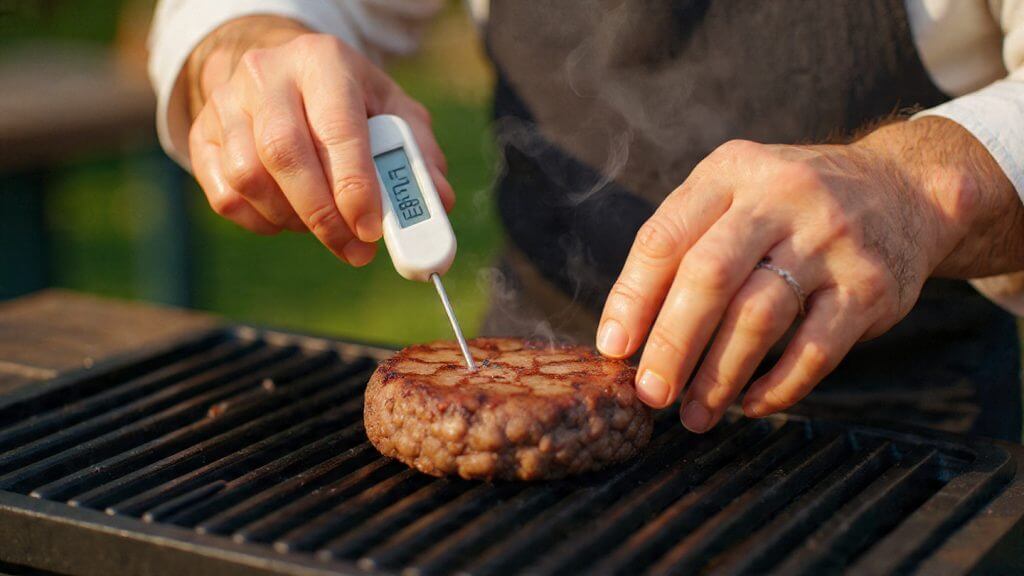
Every time, use an instant-read thermometer to make sure it’s done. For safety, ground beef should achieve an internal temperature of 160 F. for safety. Check several patties when cooking big batches to ensure consistency. Rest burgers to allow carryover cooking and stable temps. Document temps for catered events.
Hold cooked burgers above 140 F if you must delay service. Use wrapping in foil or warm boxes for transport to keep heat and moisture. Train staff to avoid cross-contamination during raw prep. Label trays and rotate stock to prevent long hold times and protect guests.
Target temps, thermometer use, holding and serving tips
Use an instant-read thermometer to check the centre of the ground beef to make sure it is at least 160 F. To be as safe as possible, keep cooked items above 140 degrees Fahrenheit and eat them within two hours. Insert the probe sideways, test a few patties and record temperatures during events to avoid any risk.
The 9 Proven Tricks for Cookout Burger Making
Trick 1: Pick the Right Beef Ratio (80/20 Wins Every Time)
Get the right kind of meat first. Fat content is everything. Choose 80/20 ground beef or ground chuck for the best flavor. Lean blends dry out fast over high heat. Juices stay best in a soft, lightly toasted brioche bun.
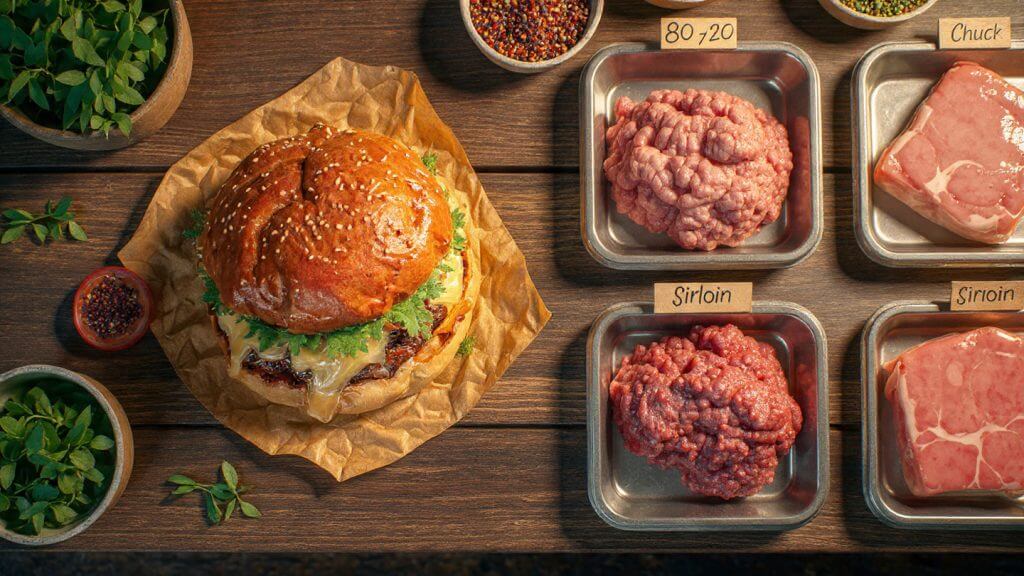
For structure and moisture, 80/20 is the gold standard. Toasted brioche offers buttery aroma and resists sogginess. Try aged cheddar or American cheese for melt perfection, or pepper jack for a little kick.
Trick 2: Keep the Gear Simple but Reliable
Gear matters but keep it basic. A sturdy spatula beats fancy gadgets for flips and control. An instant-read thermometer and a flat-top griddle speed service. A patty press helps if you’re making uniform burgers in bulk. Good tools reduce waste and improve timing.
Trick 3: Shape and Season Like a Pro
Divide meat into equal weights for even cooking. Form patties gently to preserve texture. Make a small thumb indent to prevent bulging on the grill. Season just before searing to avoid drying. Rest briefly after cooking to retain juices.
Trick 4: Master the Smash vs Thick Patty Choice
In Cookout burger making, shaping affects texture. The smash burger gives crispy edges and cooks fast. A thick patty keeps pink centers and a juicy chew. Practice both styles to see what your crowd prefers. Use a thermometer and note times for repeatable results.
Trick 5: Control Heat and Zones for Perfect Sear
Fuel choice changes everything. Charcoal gives deep smoky flavor. Gas offers steady heat. A flat top ensures even contact and fast service. Always set hot and indirect zones for finishing.
Preheat to medium-high heat for the perfect sear. Flip once when a crust forms and juices rise. Watch flare-ups and shift patties to cooler zones if needed. Use a flat spatula for control and cover briefly to melt cheese.
Trick 6: Flip Once, Don’t Press
Mark the hot zone and use it to sear. Move burgers to the cooler zone to finish. Flip once. Don’t press the patties—it squeezes out the juices. Small chops help manage narrow cook windows. Save 1 minute per side for finishing touches. With practice, you’ll nail the crust every time.
Trick 7: Use Simple Rubs and Smart Sauce Timing
Your burgers will go from decent to great with flavour boosters, rubs, and fast marinades. Start with a dry rub, sprinkle salt, and let the Maillard reaction create a deep, smoky crust.
Simple rub recipe: mix garlic powder, onion powder, salt, and pepper.
Signature sauce formula: mix ketchup, mayo, vinegar, and relish.
Apply rub before searing, and sauce only during assembly to keep the crust crisp. Avoid thick marinades that trap steam. Add a touch of smoked paprika or brown sugar for balanced taste.
Trick 8: Stack Smart for Texture and Heat
Stacking affects flavor. Place the hot patty first, then cheese to trap heat. Add cold toppings last for crunch. Toasted or buttered buns resist sogginess and add flavor. Offer sauces on the side for customization.
Think about contrast—crunchy, creamy, acidic, and salty. Melt cheese directly on the patty for adhesion. Tent the burger with a lid to melt cheese faster. Keep lettuce and fresh veggies separate until plating.
Trick 9: Keep It Safe (Temps, Handling, and Holding)
Always use an instant-read thermometer. Ground beef should reach 160°F internally. Check several patties when cooking in batches. Rest burgers for even temperature.
Hold cooked burgers above 140°F if service is delayed. Use foil wraps or warming boxes to retain heat and moisture. Train staff on cross-contamination prevention. Label trays and rotate stock. Record internal temps for catered events.
Bonus: Quick Variations and Menu Ideas
Cookout burger making shines with a smash station and double-patty options. Add plant-based alternatives to include everyone. Label allergens and create regional specials to keep guests curious.
For a classic setup, pair burgers with potato salad and baked beans. Try Carolina BBQ drizzle, jalapeño slaw, or bacon ranch for fun variations. Offer mild and spicy versions to please all ages.
Example twists:
- Carolina BBQ: tangy and smoky finish.
- Double-patty bacon ranch: rich, creamy, and crunchy.
- Jalapeño slaw: spicy with texture balance.
Quick variations and menu ideas for your cookout smash double and regional spins
Cookout burger making shines with a smash station and a double-patty option to cater tastes. Add a plant-based grill choice to widen guest options and meet dietary needs. Label allergens and provide clear build stations for faster flows. Rotate a regional special to keep crowds curious.
For a classic meal, serve burgers with potato salad and baked beans. For a different flavour, try Carolina BBQ drizzle, jalapeño slaw, or bacon ranch.Offer mild and spicy builds to suit all ages. Promote a rotating special to increase repeat visits and excitement.
Carolina BBQ twist, spicy jalapeño, bacon ranch, double-patty smash
A drizzle of Carolina BBQ brings tang and smoke to the patty. Top a double-patty smash with bacon ranch for crunch and cream. Add jalapeño slaw for heat and texture without drowning the beef. Offer these as limited specials to spark interest and attendance.
FAQs
How long should you grill burgers charcoal vs gas?
For 3 to 5 minutes on each side at medium-high heat, depending on how thick it is.
How to make Cookout burger at home?
Use 80/20 ground beef, hot grill, sear fast, rest two minutes.
How to grill burgers so they stay juicy?
Sear hard, flip once, rest, do not overcook, use juices test.
Cookout burger making steps?
Form patties, season, sear, melt cheese, assemble with cold toppings.
Best buns for grill burgers?
Toasted brioche bun or sturdy roll, buttered and lightly toasted.
Quick reference table for common cookout numbers
| Item | Typical weight or temp |
| Patty weight for smash | 3 to 4 oz each |
| Patty weight for thick | 6 to 8 oz each |
| Cooking temp for sear | medium-high heat |
| Safe internal temp | internal temp 160 F |
| Holding temp for service | Above 140 F |
Final note
This article uses tested Cookout burger making methods, clear steps, and fast answers for hosts in the USA and beyond. Use the Q and A table in your voice prompts, save the beef weight table for prep, and print the safety notes for catered events. Follow the thermometers, practice timing, and you will serve burgers guests remember.Short quote
“Simple rules, consistent heat, and fresh ingredients beat fancy tools every time.
Ready to fire up the grill? Try these 9 tricks today and share your Cookout-style masterpiece with us!