Introduction
For individuals with food allergies or dietary restrictions, dining out can be a challenge. Fast-food restaurants like Cookout, known for their burgers, BBQ, and milkshakes, may present hidden risks for those sensitive to allergens. While Cookout allergen menu is not a detailed menu on its official website, understanding the common allergens in their food and how to navigate the menu safely is essential. This guide breaks down Cookout’s potential allergens, cross-contamination risks, and tips for a safe dining experience.
Understanding Cookout Menu and Allergen Risks
Cookout offers a diverse range of food, including char-grilled burgers, hot dogs, chicken sandwiches, BBQ, fries, hush puppies, and over 40 different flavors of milkshakes. You can see cookout menu photos for more details. However, these items contain common allergens such as gluten, dairy, soy, eggs, and nuts.
Common Cookout Allergen Menu:
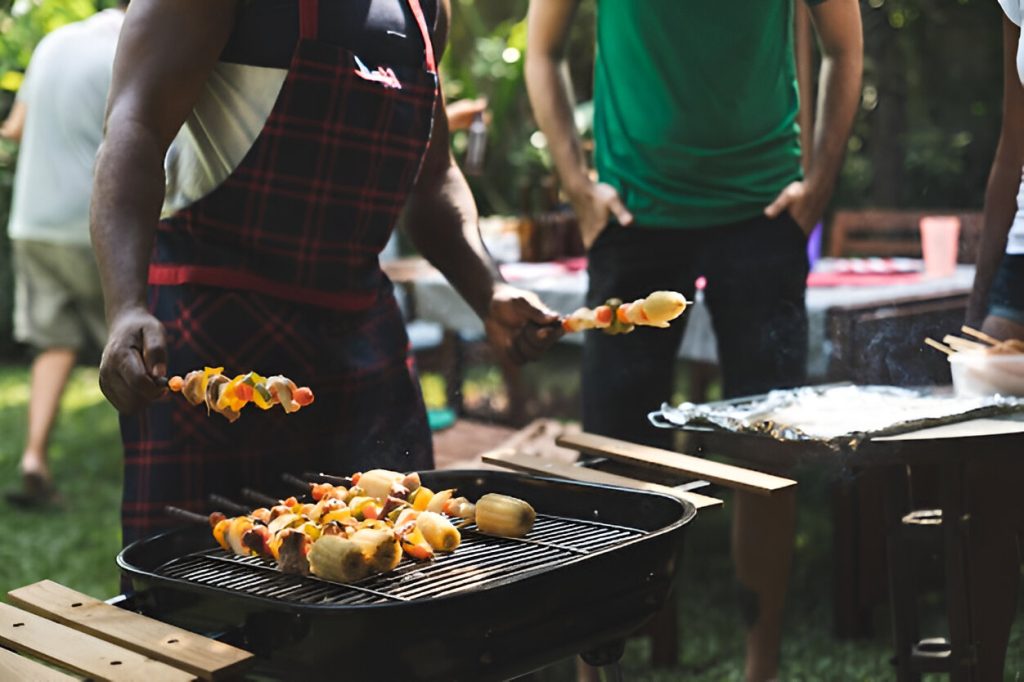
- Burgers & Sandwiches – Typically contain wheat (buns), dairy (cheese), soy (seasonings), and eggs (mayo-based sauces).
- BBQ & Grilled Items – May contain gluten in marinades and seasonings. Cross-contact with gluten and dairy is possible on shared grills.
- Fries & Hush Puppies – Fried in shared oil, meaning possible cross-contact with wheat, dairy, and soy.
- Milkshakes – Contain dairy and may have nut cross-contact due to shared blending equipment.
- Chicken & Hot Dogs – May contain soy, wheat, and dairy, depending on preparation.
Allergen Breakdown of Popular Cookout Items
Burgers & Hot Dogs
Cookout’s burgers and hot dogs are popular choices, but individuals with gluten, soy, or dairy allergies should be cautious. The buns contain wheat, and some seasonings used in patties may include soy derivatives. For a gluten-free option, consider ordering without a bun. However, cross-contamination on the grill may still be an issue.
BBQ & Grilled Chicken
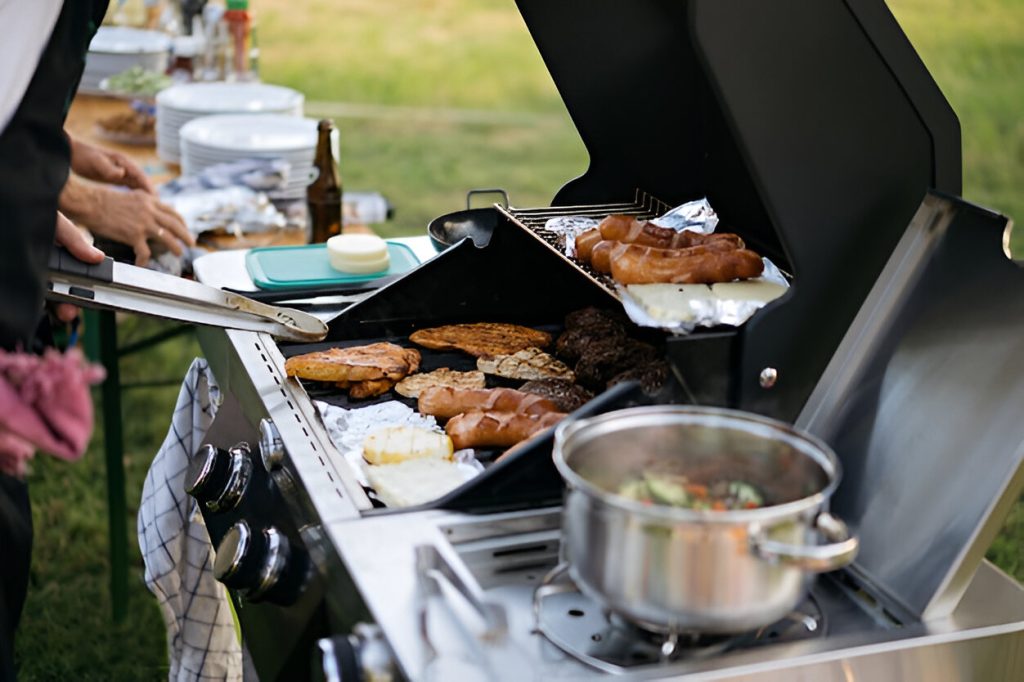
Cookout’s BBQ and grilled chicken options may contain hidden cookout allergen menu due to the marinades and sauces. Some BBQ sauces include gluten, soy, and dairy. The grilled chicken might also be marinated with soy-based ingredients. Always check with staff about preparation methods before ordering.
Fries, Hush Puppies, and Onion Rings
While fries may seem like a safe option, they are cooked in shared fryers that handle breaded items, increasing the risk of cross-contact with wheat and dairy. Hush puppies and onion rings contain gluten and dairy, making them unsuitable for those with these allergies.
Milkshakes and Desserts
Cookout milkshake menu is a fan favorite, but individuals with dairy and nut allergies should be extremely cautious. The milkshakes contain dairy, and due to shared equipment, there is a high risk of cross-contact with nuts, soy, and gluten. If you have severe allergies, it may be best to avoid milkshakes altogether.
Cross-Contamination Risks at Cookout
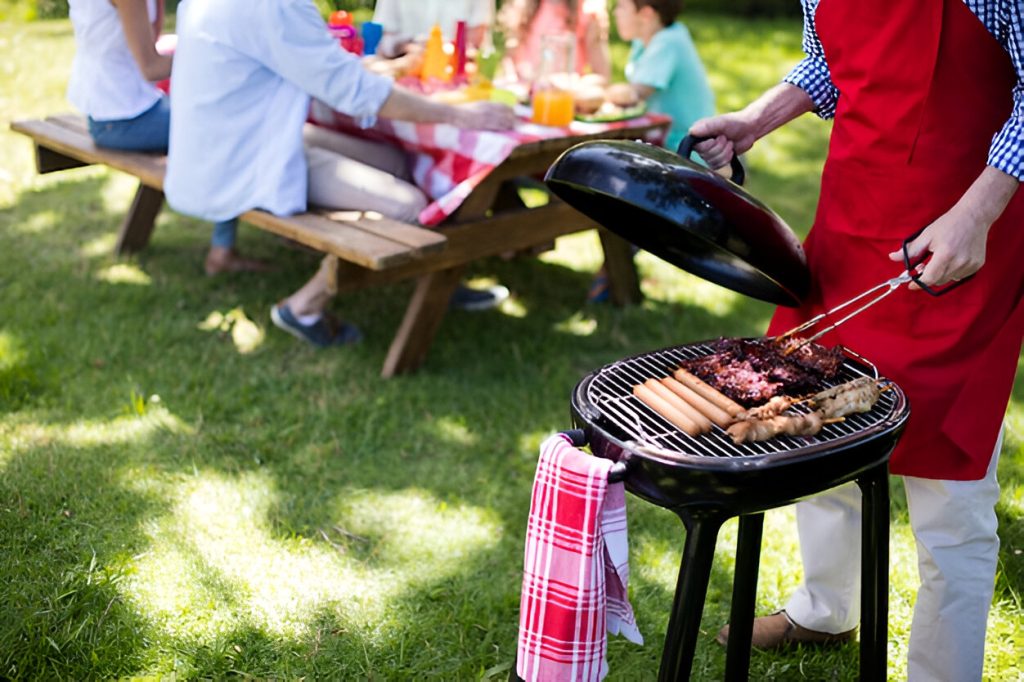
One of the biggest concerns for individuals with food allergies is cross-contamination. Cookout’s kitchen setup involves shared grills, fryers, and preparation areas, increasing the risk of cookout allergen menu coming into contact with otherwise safe foods. Here are some key points to consider:
- Shared Fryers – Cookout uses the same fryers for items like fries, hush puppies, and onion rings, making it difficult to guarantee that fries are free from gluten or dairy traces.
- Shared Grills – Burgers, hot dogs, and chicken are cooked on the same grills, increasing the likelihood of cross-contact with gluten-containing marinades or seasonings.
- Milkshake Machines – Since the same blending equipment is used for all milkshake flavors, there is a risk of cross-contact with nuts, gluten, and soy.
- Condiments & Toppings – Common toppings such as cheese, sauces, and spreads may contain hidden allergens or be handled in a way that leads to cross-contact.
Tips for Ordering at Cookout with Food Allergies
- Ask the Staff for Ingredient Details – While Cookout doesn’t have a detailed cookout allergen menu, employees may provide information about specific ingredients or preparation methods.
- Avoid Fried Foods – Due to shared fryers, even naturally gluten-free items like fries may not be safe.
- Request a Bun-Free Burger – Opt for a lettuce wrap or order without a bun to reduce gluten exposure.
- Skip the Milkshakes – If you have severe nut or dairy allergies, avoiding milkshakes is the safest option due to cross-contact risks.
- Be Prepared – If you have a severe allergy, consider carrying an epinephrine auto-injector in case of accidental exposure.

Frequently Asked Questions (FAQs)
1. Does it provide an official cookout allergen menu?
Cookout does not currently offer a public cookout allergen menu on its website. If you have allergies, it’s best to ask the staff about specific ingredients and preparation methods before ordering.
2. Are Cookout’s fries gluten-free?
While the fries themselves may not contain gluten, they are cooked in shared fryers with breaded items, making cross-contact highly likely. If you have celiac disease or a severe gluten allergy, it’s best to avoid them.
3. Can I get a dairy-free milkshake at Cookout?
No, all Cookout milkshakes contain dairy, and the risk of cross-contact with cookout allergen menu like nuts and soy is high due to shared blending equipment. If you are lactose intolerant or allergic to dairy, it’s safest to skip the milkshakes.
4. Are there any safe options for people with soy allergies?
Soy is commonly found in Cookout’s marinades, seasonings, and fried foods. While a plain burger patty or grilled chicken might seem safe, there is still a risk of soy exposure due to shared cooking surfaces. Always ask the staff about specific ingredients.
5. How can I minimize the risk of cross-contamination at Cookout?
To minimize risk, ask for your food to be prepared separately and avoid items cooked in shared fryers or grills. Opt for simple cookout menu prices items with minimal ingredients, such as an unseasoned grilled burger without a bun. However, complete allergen safety cannot be guaranteed due to the restaurant’s cooking practices.
Final Thoughts
While Cookout menu offers delicious fast-food options, it may not be the safest choice for individuals with severe food allergies due to the high risk of cross-contamination. If you have dietary restrictions, always exercise caution, ask questions, and consider alternative dining options if necessary. You can enjoy a safer dining experience at Cookout by staying informed and making careful choices.